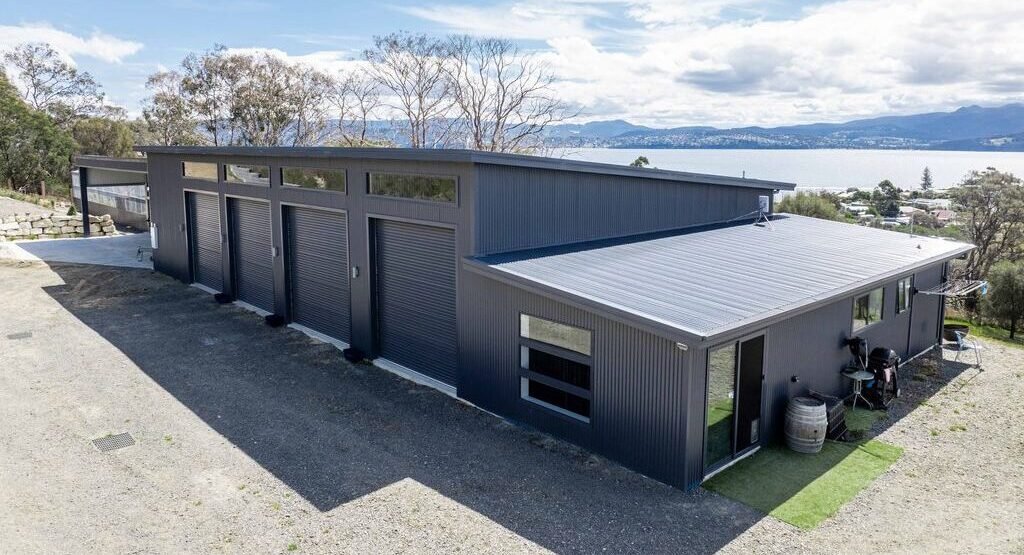
If you’re considering adding a shed to your property, you’ve come to the right place. Shed building in Tasmania requires careful planning to ensure functionality, durability, and compliance with local regulations. This guide will walk you through the key factors to consider when planning your ideal shed in Tasmania.
1. Assess Your Shed Needs
Before you start building, determine the primary purpose of your shed. Will it be for storage, a workshop, or perhaps a home office or gym? Many people miscalculate their space requirements, especially for large items like caravans, boats, or vehicles.
2. Plan for Size and Clearance
Be mindful of dimensions and future expansion needs. Roller doors typically require 400-450mm of clearance above the opening height. A good rule of thumb: “You’re better off looking at it than looking for it.” Planning ahead ensures you won’t face costly adjustments later. For a full breakdown of common shed dimensions and what suits different uses, see our shed sizes guide. You can also use the shed design tool to map out your layout before speaking to a supplier.
3. Choosing the Best Shed Location
The placement of your shed can significantly impact its usability and longevity. Consider the following factors:
- Sunlight exposure – Prevent excessive heat buildup.
- Ground conditions – Ensure stable, level ground.
- Accessibility – Easy access for vehicles or equipment.
- Wind direction – In Southern Tasmania, prevailing winds come from the west-southwest, so consider placing roller doors on the eastern side for protection.
- Local regulations – Check with your local council for zoning rules, setbacks, and permits before you begin construction.
4. Selecting the Best Materials for Shed Building in Tasmania
Your shed materials should align with your budget, climate, and maintenance preferences. Common options include:
- Colorbond steel – Durable, low-maintenance, and the most common choice.
- Timber – Aesthetic and natural-looking but requires more upkeep.
- Vinyl or cement sheeting – Alternative options based on your design preference.
Most sheds are pre-engineered for Colorbond cladding, so opting for different materials may increase costs. If you’re considering alternative cladding, we can connect you with specialised suppliers. To avoid common material and design errors, read our guide to costly shed building mistakes.
5. Designing Your Shed for Functionality
Take the time to sketch your ideal shed layout. Online tools can help visualise designs. Future-proofing your shed is essential — think about additional space for a second car, a new hobby, or shelving for organisation. Use the shed design tool to try different configurations before committing to a design.
6. Key Shed Design Features to Consider
- Doors and windows – Ensure proper placement for accessibility and ventilation.
- Storage solutions – Built-in shelving or mezzanine floors can maximise space.
- Lighting and insulation – Essential for sheds used as workshops or offices.
For guidance on choosing the right wall height for your intended use, see our guide to shed height rules in Tasmania.
7. Planning for Utilities
If your shed requires electricity, plumbing, or drainage, plan these elements in advance. Consider the following:
- Proximity to stormwater drains – Essential for proper runoff.
- Distance for electrical wiring – Running power from your home can be costly.
- Adding plumbing – If you need a toilet or sink, factor in the cost of plumbing installations.
8. Budgeting for Your Shed Build
Set a realistic budget by considering:
- Materials and construction costs
- Site preparation and groundwork
- Council permits and approvals
- Additional features like landscaping or interior finishing
If a quote seems “too good to be true,” it probably is. Choose reputable contractors to avoid unexpected expenses. For a detailed cost breakdown of what shed building in Tasmania actually costs, see our shed kit price guide for Hobart and Tasmania. If you’re looking at a smaller build, our 6 x 6 shed price guide covers every cost component in detail.
9. Long-Term Planning and Shed Maintenance
Think ahead to how your shed may be used in the future. Features like mezzanine floors, additional storage, and durable materials can enhance longevity.
10. Choosing Reliable Shed Builders in Tasmania
If you’re not a DIY expert, working with established shed builders in Tasmania ensures a smooth project. Reputable professionals won’t leave you stranded if issues arise. Not sure whether to DIY or hire a professional? Read our guide on DIY shed installation in Tasmania before making a decision.
Understanding Shed Permits and Regulations in Tasmania
One of the most important steps in shed building in Tasmania is understanding what approvals your project needs before you order a kit or break ground. Tasmania’s shed regulations operate across two parallel systems: building approval under the Director’s Determination, and planning approval through your local council.
Depending on your shed’s size, location, and intended use, it may qualify as Low Risk Work — meaning no full building permit is required — or it may need Notifiable or Permit Building Work involving a building surveyor. For a full explanation of how these rules work and what applies to your site, read our guide to shed building rules and approvals in Tasmania and our detailed shed building codes guide.
Conclusion
Shed building in Tasmania requires careful planning, but with the right approach, you’ll have a functional and long-lasting structure. Remember the 4 P’s — Planning Prevents Poor Performance. Whether you’re building a shed for storage, work, or leisure, The Shed Guru is here to help every step of the way.
Ready to get started? Get your free shed quote and we’ll match you with trusted local shed builders across Tasmania. Not sure which direction to go? Find the right option for your build.
For more expert advice, stay tuned to The Shed Guru blog.
Frequently Asked Questions
How do I start planning a shed build in Tasmania?
Start by deciding on the purpose, size, and location of your shed, then check your site against local council planning rules and building regulations. Use the shed design tool to map out your layout, or find the right option for your build.
Do I need a permit to build a shed in Tasmania?
It depends on the size, location, and classification of your shed. Smaller sheds may qualify as Low Risk Work without a full building permit, but planning controls still apply. See our full guide to shed building rules and approvals in Tasmania.
What size shed can I build without a permit in Tasmania?
Sheds up to 36m² may qualify as Low Risk Work in Tasmania, subject to site-specific conditions including setbacks, overlays, and distance from existing buildings. Our shed sizes guide explains how to choose the right dimensions for your needs and your council requirements.
How much does it cost to build a shed in Tasmania?
The total cost of shed building in Tasmania depends on the size, site conditions, and inclusions. See our shed kit price guide for a full breakdown, or our 6 x 6 shed price guide for smaller builds.
Should I DIY my shed installation in Tasmania?
Some smaller sheds classified as Low Risk Work can be owner-built, but there are important considerations around skill level, safety, and compliance. Read our DIY shed installation guide before deciding.
What are the most common shed building mistakes in Tasmania?
The most common mistakes include choosing the wrong wind classification, underestimating total costs, not checking council requirements before ordering, and picking a size that doesn’t suit the intended use. Read our guide to costly shed building mistakes to avoid them.
Who are the best shed builders in Tasmania?
The Shed Guru works with a vetted network of reputable local shed builders across Tasmania, matched to your site and budget.