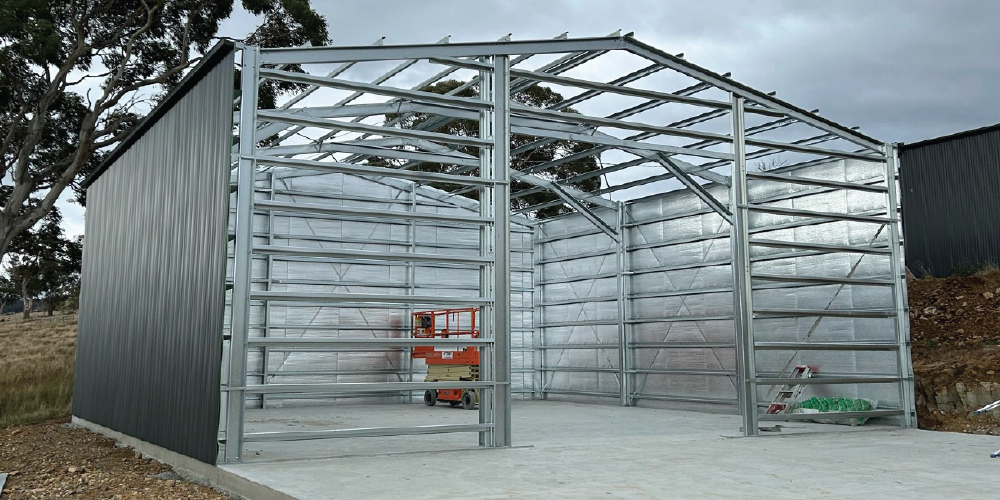
DIY shed installation is allowed in Tasmania in some situations, but it depends on how the shed is classified under building regulations. The decision to build it yourself or hire a professional shed installer in Tasmania comes down to whether the work qualifies as Low Risk Building Work, and whether the design, site, and use meet all required conditions.
Understanding where DIY is permitted, and where it is not, is essential before starting any shed project. For a full overview of how building classifications work in Tasmania, see our guide to shed building rules and approvals in Tasmania.
What DIY Shed Installation Involves in Tasmania
Installing a shed involves more than assembling a kit. Even for simple structures, the process must follow approved designs and comply with the National Construction Code.
A typical shed installation includes:
- Preparing the site and ensuring correct placement on the property
- Constructing footings or a slab based on engineering requirements
- Assembling the frame and structural components
- Installing cladding, roofing, and fixings
- Ensuring the final structure matches approved plans and specifications
Even when using a pre-engineered kit, the installation must align with the design and any conditions attached to approvals or classifications. Before purchasing a kit, use the shed design tool to confirm your dimensions and configuration suit your site and intended approval pathway.
When DIY Is Legally Allowed Under Low Risk Work Rules
DIY shed installation in Tasmania is only legally allowed without a building permit when the work qualifies as Low Risk Building Work under the Director’s Determination.
Low Risk Building Work applies to small, simple Class 10a structures that meet strict limits and conditions. These conditions relate to:
- Size and scale of the shed
- Height and number of storeys
- Location on the site, including separation distances
- Construction type and complexity
If all conditions are met, a building permit is not required. However:
- The work must still comply with the National Construction Code
- Planning approval may still be required depending on zoning and overlays
If any condition is not met, the work is no longer Low Risk and cannot proceed as a simple DIY project without further approvals. For a detailed breakdown of Low Risk limits including size and height thresholds, see our shed building codes guide.
The Risks and Common Mistakes of DIY Shed Installation
DIY shed installation in Tasmania carries risk when the regulatory requirements are not fully understood or followed.
Common issues include:
- Building outside approved plans or engineering specifications
- Incorrect placement that does not meet separation requirements
- Failing to account for site conditions such as drainage or ground stability
- Using a design that does not meet structural requirements
If a shed does not comply with the approved classification or the National Construction Code, it may be considered non-compliant building work. This can lead to enforcement action or requirements to modify or remove the structure. These are some of the most common and costly issues we see — read our guide to costly shed building mistakes before you start.
When You Must Use a Licensed Builder in Tasmania
A licensed builder is required when the shed installation is classified as Notifiable Building Work or Permit Building Work, or when the work falls outside the limits of Low Risk Building Work.
These categories apply when:
- The shed exceeds Low Risk limits
- The design is more complex or structurally demanding
- The shed is located in a regulated or hazardous area
- The work requires a building permit
In these cases, the process involves:
- Engagement of a building surveyor
- Assessment of the design and documentation
- A Certificate of Likely Compliance
- Inspections during construction
DIY installation is not suitable where these requirements apply, as the work must follow formal approval and compliance processes. If you are unsure which category your shed falls into, not sure which direction to go? Find the right option for your build.
The Role of Shed Safe Accreditation
Shed Safe is an accreditation program managed by the Australian Steel Institute.
It provides third-party verification that shed designs comply with the National Construction Code.
Shed Safe accreditation focuses on:
- Independent engineering review
- Correct site classification, including wind conditions
- Verification that structural designs meet required standards
Not all sheds on the market meet these standards. Some may use outdated or incorrect engineering, which can result in non-compliance.
Shed Safe members are subject to regular audits and must demonstrate that their systems and designs meet current requirements. This provides a level of assurance that the shed has been designed correctly for Australian conditions.
Compliance is also important for insurance. Buildings that do not meet the National Construction Code may not meet insurer requirements. This is particularly relevant in Tasmania where wind classifications and in some areas snow loads must be correctly accounted for in the engineering.
How to Choose a Professional Shed Installer in Tasmania
Choosing a professional shed installer in Tasmania involves confirming their ability to deliver a compliant structure.
Key factors include:
- Experience with Class 10a buildings and Tasmanian regulations
- Understanding of Low Risk, Notifiable, and Permit Building Work classifications
- Ability to work with building surveyors and approved documentation
- Use of compliant engineering and design systems
An installer should be able to follow approved plans exactly and ensure the structure meets all regulatory requirements.
Where Shed Safe accreditation is involved, it provides an additional level of verification that the design and engineering meet national standards. Ready to get started? Get your free shed quote and we’ll match you with trusted local installers across Tasmania who understand these requirements.
When DIY Makes Sense vs Hiring a Professional
DIY shed installation in Tasmania can be appropriate when:
- The shed clearly qualifies as Low Risk Building Work
- The design is simple and fully compliant
- The installer can follow engineering specifications accurately
Hiring a professional shed installer is more appropriate when:
- The shed requires Notifiable or Permit Building Work processes
- A building surveyor is required
- The design is complex or site conditions add risk
- The project must strictly follow approved documentation and inspections
The classification of the work determines the correct approach. Starting with the wrong assumption about DIY eligibility can lead to compliance issues later. For help understanding what size and configuration your shed needs to be, see our shed sizes guide and our guide to shed height rules in Tasmania.
Conclusion
DIY shed installation in Tasmania is limited to projects that meet strict Low Risk Building Work conditions. Once a shed moves beyond those limits, professional involvement becomes necessary to meet regulatory requirements.
Understanding the classification of the work, the role of approvals, and the compliance requirements ensures the shed can be built correctly from the start.
Ready to get started? Get your free shed quote and we’ll match you with trusted local shed installers across Tasmania. Not sure which direction to go? Find the right option for your build.
Sources: Director’s Determination – Categories of Building and Demolition Work v1.4, Building Act 2016 (Tasmania)
Frequently Asked Questions
Can I install a shed myself in Tasmania?
Yes, but only if the shed qualifies as Low Risk Building Work and meets all required conditions under the Director’s Determination. If it does not, formal approvals and professional involvement are required. See our guide to shed building rules and approvals in Tasmania for the full criteria.
Do I need a building permit for a DIY shed in Tasmania?
A building permit is not required for Low Risk Building Work. If the shed does not meet Low Risk conditions, it will require Notifiable or Permit Building Work processes, which may include a permit.
What happens if my DIY shed is not compliant?
Non-compliant building work may require modification or removal. Compliance with the National Construction Code and approved plans is required. Councils can also issue stop-work notices and fines.
Is Shed Safe accreditation required in Tasmania?
Shed Safe is not mandatory, but it provides independent verification that the shed design complies with the National Construction Code. It is also relevant for insurance purposes, as buildings that do not meet the NCC may not meet insurer requirements.
Do I still need planning approval for a DIY shed in Tasmania?
Yes. Planning approval is separate from building classification. A shed may qualify as Low Risk Building Work but still require planning approval depending on the property, zoning, and any overlays that apply to the site.
How much does it cost to have a shed professionally installed in Tasmania?
Installation costs vary depending on shed size, height, site access, and complexity. For a detailed cost breakdown see our 6 x 6 shed price guide which covers installation costs alongside all other components of a typical shed build in Tasmania.
How do I find a reputable shed installer in Tasmania?
Look for installers with experience in Class 10a buildings and Tasmanian building regulations, and confirm they can work with approved engineering documentation. Ready to get started? Get your free shed quote and we’ll match you with vetted local installers across Tasmania.